







| Section 1 - Agronomy |
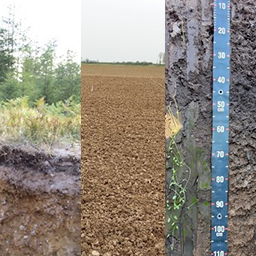 Soil sciences
There are expected and accepted papers focused on subjects that represent the scientific basis of Agronomy
Soil genesis and morphology; Physical and chemical properties of soils; Soil fertility; Soil biology; Soils and environmental quality; Soil tillage systems; Land rehabilitation.
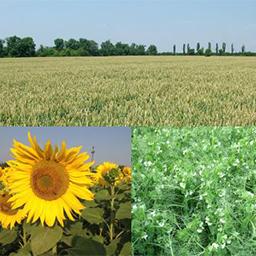 Crop sciences
There are expected and accepted papers focused on subjects that represent the scientific basis of Agronomy
Crop production; Crop ecology and physiology; Crop nutrition and fertilizers in crop production; Crop breeding; Crop protection; Yield quality and processing; Alternative crops.
 Miscellaneous
There are expected and accepted papers focused on subjects that represent the scientific basis of Agronomy
Agroecosystems; Climatic changes and future challenges; Agricultural machinery and equipments in crop production; Precision farming in crop production; Crop biomass and biofuels; Organic farming in crop production.
| Section 2 - Horticulture |
 Fruit growing
There are expected and accepted papers focused on subjects that represent the scientific basis of Horticulture
 Viticulture and Oenology
There are expected and accepted papers focused on subjects that represent the scientific basis of Horticulture
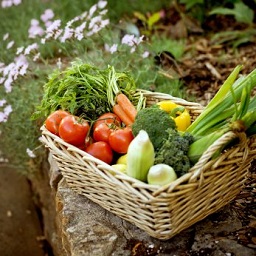 Vegetable growing
There are expected and accepted papers focused on subjects that represent the scientific basis of Horticulture
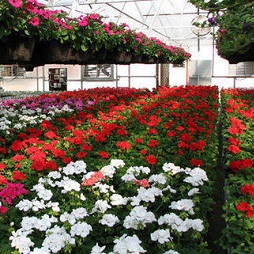 Floriculture, Ornamental Plants, Design and Landscape Architecture
There are expected and accepted papers focused on subjects that represent the scientific basis of Horticulture
The four subsections above refer to the following topics: Sustainable crop production and technologies in horticulture; Biodiversity and genetic resources; Plants physiology; Genetics and breeding; Plant production systems (propagation and nursery management); Plant protection (disease and pest management, virology); Protected horticulture; Soilless culture; Postharvest and quality management of horticultural products; Landscape Planning and Design, Landscape Dendrology, Garden Architectural Design, Landscape Engineering, Landscape Art, Urban Green Space System Planning, Sustainable landscape design strategies.
 Miscellaneous
There are expected and accepted papers focused on subjects that represent the scientific basis of Horticulture
Climate-resilient horticulture; Ecological horticulture systems; Permaculture; Urban horticulture; Waste management and alternative energies in horticulture; New horticultural plants and crops.
| Section 3 - Animal Science |
 Genetics and breeding
There are expected and accepted papers focused on subjects that represent the scientific basis of Animal Sciences
Population genetics; Quantitative genetics; Molecular genomics; Animal breeding programs; Genomics, phenomics and bioinformatics; AI-assisted genomic selection.
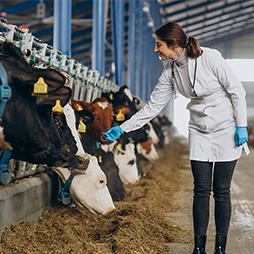 Nutrition
There are expected and accepted papers focused on subjects that represent the scientific basis of Animal Sciences
Forage; Nutritive value of forages; Productive effect of forage; Particularities of animal nutrition; AI and precision farming; AI-based precision nutrition.
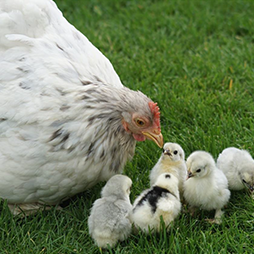 Reproduction, physiology, anatomy
There are expected and accepted papers focused on subjects that represent the scientific basis of Animal Sciences
Optimizing fertility; Artificial insemination; Reproductive endocrinology; Embryo transfer; Embryology research; Mechanical, physical, and biochemical functions of animal organisms; Shape and structure of animal organisms; AI-based fertility prediction.
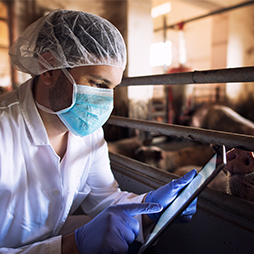 Technologies of animal husbandry
There are expected and accepted papers focused on subjects that represent the scientific basis of Animal Sciences
Technologies of animal husbandry of economic interest; Animal welfare; Beekeeping; Sericiculture; Precision livestock farming; Robotics and autonomous systems; AI-based animal welfare monitoring.
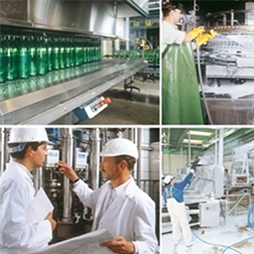 Technologies of the agro food products processing
There are expected and accepted papers focused on subjects that represent the scientific basis of Animal Sciences
Cereals and oil processing; Livestock products processing; Fruit and vegetable processing; Traditional food processing; Food processing machinery; Preservation and Logistics; Agro-products quality and bio-safety; AI in food quality, safety and traceability; Computer vision for food processing.
 Wild life management, fishery and aquaculture
There are expected and accepted papers focused on subjects that represent the scientific basis of Animal Sciences
Wild animal populations; Relationship between the habitat and the wild animal populations; Wildlife conservation; Farming of fisheries and aquatic organisms; Fisheries management; Ecosystem based fisheries and aquatic animals; Marine protected areas; AI for biodiversity and habitat modelling.
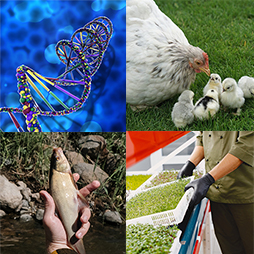 Miscellaneous
There are expected and accepted papers focused on subjects that represent the scientific basis of Animal Sciences
Machinery and installations for animal husbandry; Livestock building; Zoo-hygiene.
| Section 4 - Veterinary Medicine |
 Fundamental sciences
There are expected and accepted papers focused on the foundational scientific principles that underpin veterinary medicine, including anatomy, biochemistry and molecular biology, genetics, histology, cell biology, embryology, physiology, physiopathology, pharmacology, toxicology, microbiology, immunology, and molecular sciences as they relate to animal health..
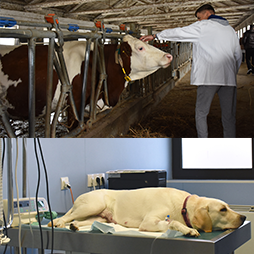 Clinical sciences
There are expected and accepted papers focused on subjects that covers the practical application of veterinary medical knowledge to diagnose, treat, and prevent diseases in animals, encompassing veterinary surgery, internal medicine, diagnostics, and therapeutics.
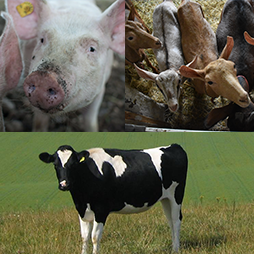 Animal production, public health and food quality control
There are expected and accepted papers focused on subjects that addresses the intersection of veterinary medicine with animal husbandry, ensuring the health of production animals, safeguarding public health, and maintaining high standards in food safety and quality.
 Veterinary education
There are expected and accepted papers focused on the methodologies and strategies for training futurevveterinarians, this area explores curriculum development, teaching methods, and advances in veterinary education and professional development.
 Experimental Medicine
There are expected and accepted papers dedicated to research in experimental treatments, innovative therapies, and emerging technologies in veterinary medicine, as well as laboratory animala, animal models, translational medicine, ethics on animal experimentation, with a focus on advancing medical knowledge and techniques.
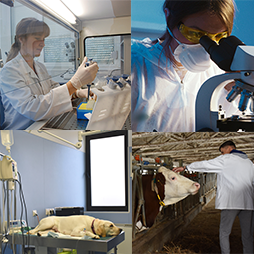 Miscellaneous
A diverse subsection that includes complementary topics in veterinary medicine that do not fall under the other categories, allowing for a broad range of research and discussion topics.
| Section 5 - Land Reclamation, Earth Observation & Surveying, Environmental Engineering |
 Environmental science and engineering
There are expected and accepted papers focused on subjects that represent the scientific basis of Land Reclamation, Earth Observation & Surveying, Environmental Engineering
Pollution control and remediation; Resource management and sustainability; Climate change mitigation and adaptation; Environmental impact assessment; Renewable energy and sustainable technologies; Ecological restoration and conservation.
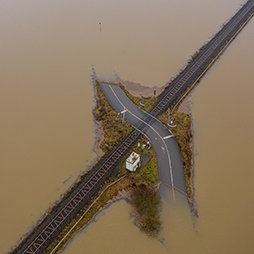 Disaster resilience and sustainable development
There are expected and accepted papers focused on subjects that represent the scientific basis of Land Reclamation, Earth Observation & Surveying, Environmental Engineering
Risk assessment and mitigation; Resilient infrastructure and design; Community preparedness and engagement; Sustainable development practices; Climate change adaptation and resilience.
 Water resources management
There are expected and accepted papers focused on subjects that represent the scientific basis of Land Reclamation, Earth Observation & Surveying, Environmental Engineering
Water supply and demand management; Water quality protection and pollution control; Watershed management and conservation; Groundwater management and recharge; Water governance and policy; Climate change adaptation and water security.
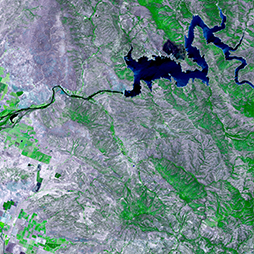 Remote sensing and geoinformatics
There are expected and accepted papers focused on subjects that represent the scientific basis of Land Reclamation, Earth Observation & Surveying, Environmental Engineering
Geographic Information Systems (GIS); Environmental monitoring; Urban planning; Disaster management; Resource exploration; Remote sensing applications; GIS data management; Spatial analysis and modeling; Emerging trends and technologies in the field.
 Miscellaneous
There are expected and accepted papers focused on subjects that represent the scientific basis of Land Reclamation, Earth Observation & Surveying, Environmental Engineering
Complementary topics; Novel research findings or methodologies that are still in their early stages or bridge multiple established fields; Interdisciplinary projects that combine knowledge and expertise from different disciplines to address complex challenges; Case studies that showcase unique applications or solutions to real-world problems; Emerging trends and technologies that have the potential to disrupt or transform the field; Artificial Intelligence; Big data.
| Section 6 - Biotechnology |
 Agricultural Biotechnology
There are expected and accepted papers focused on subjects that represent the scientific basis of Biotechnology
Plant cell culture, bioproducts in plant protection; biostimulators; edible and medicinal mushrooms; GMO and risk assessment; genomics; proteomics; metabolomics; molecular markers; AI and machine learning for precision agriculture; crop improvement and plant phenotyping; AI-assisted analysis of omics data and molecular markers.
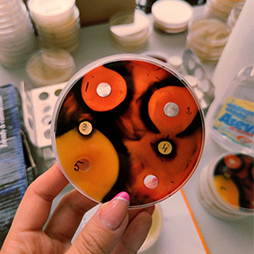 Food Biotechnology
There are expected and accepted papers focused on subjects that represent the scientific basis of Biotechnology
New food processing techniques; novel food; fermentation processes; food additives; food ingredients; functional food; food waste; food contaminants; food pathogens; food borne illness; risk assessment; risk management; risk communication; safe food storage; food labelling; food shelf life; HACCP; food hygiene; GMP; food handling; antimicrobial treatments; AI and machine learning in food quality; safety and authenticity assessment; AI-assisted optimization of food processing and fermentation.
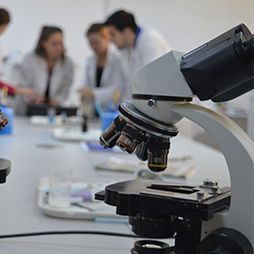 Medical and Pharmaceutical Biotechnology
There are expected and accepted papers focused on subjects that represent the scientific basis of Biotechnology
Vaccines; protein production; probiotics; prebiotics; feed technologies; microbial genetics; molecular markers in animal breeding; genomics; proteomics; metabolomics; AI and machine learning for drug discovery; vaccine development and protein engineering; AI-assisted analysis of genomic, proteomic and metabolomic data.
 Environmental Biotechnology
There are expected and accepted papers focused on subjects that represent the scientific basis of Biotechnology
Biopolymers; biodegradation; composting; Life Cycle Assessment; ecotoxicity; applied biotechnology; biofuel; bioremediation; process design and modelling; biopharmaceutical engineering; microbial fermentations; biorefinery; renewable energy; AI and machine learning for environmental monitoring; bioremediation and waste management; AI-assisted modelling and optimization of biotechnological and biorefinery processes.
 Miscellaneous
There are expected and accepted papers focused on subjects that represent the scientific basis of Biotechnology
Food and Biotechnology legislation; Fermentation industry equipment and installations; insurance in biotechnology; GMO legislation; Artificial Intelligence; data governance and digital transformation in biotechnology; Ethics; regulatory aspects and responsible use of AI in biotechnology.
| Section 7 - Management and Economics in Rural Areas |
 Production economics and agromarketing
There are expected and accepted papers focused on subjects that represent the scientific basis of Management and Economics in Rural Areas
Agrifood economy; Financial economic analysis; The economic efficiency of agricultural production; Accounting; Qualitative and Quantitative Marketing; Marketing Strategies, Agromarketing.
 Farm and cooperatives management
There are expected and accepted papers focused on subjects that represent the scientific basis of Management and Economics in Rural Areas
Production Management; Financial Management; Investment Management; Human Resources Management; Business Management; Quality Management; Project management in agriculture; Management of SMEs in agriculture.
 Agricultural and rural policies
There are expected and accepted papers focused on subjects that represent the scientific basis of Management and Economics in Rural Areas
Models and tools for agricultural policy evaluation, Food Economics and policy; Food security and sustainability; Land governance and reforms; Farm support and income distribution; Direct payments and Market Intervention impact; Governance of agri- food chains; New diets and consumer choice; Climate smart agricultural policy instruments; Public Investments in Agricultural and Food Research, Rural and regional development management.
AgriBusiness and agricultural extension
There are expected and accepted papers focused on subjects that represent the scientific basis of Management and Economics in Rural Areas
Agribusiness; Business Communication and Negotiation; Agricultural extension; Financing activities in agriculture; Business management; Agricultural management consultancy; Banking; Cooperation in agriculture; Agrotouristic Services.
Agritourism and rural tourism
There are expected and accepted papers focused on subjects that represent the scientific basis of Management and Economics in Rural Areas
Rural Development; Rural Sociology; Public food services and agrotourism; Agrotourism; Agrotouristic resource management; Touristic landscape planning; Rural tourism; Rural creative tourism.
 Environmental economics and bioeconomy
There are expected and accepted papers focused on subjects that represent the scientific basis of Management and Economics in Rural Areas
Management of renewable resources; Economy; Expertise and environmental control; Green economy; Bioeconomy; Circular Economy.
 Digital economy and innovation in modern agriculture and food chain
There are expected and accepted papers focused on subjects that represent the scientific basis of Management and Economics in Rural Areas
Digital agriculture; Smart agriculture; Innovation in agriculture and on food chain.
 Miscellaneous
There are expected and accepted papers focused on subjects that represent the scientific basis of Management and Economics in Rural Areas
Trade in agricultural products; Insurance and reinsurance in agriculture; Food legislation; Food industry equipment and installations; Rural Statistics; Educational management in agronomic education; Rural Sociology.